



Most franchise and multi-location brands don’t lack a loyalty program.
They lack a loyalty program that actually works.
On the surface, churn doesn’t always look dramatic. Customers don’t announce they’re leaving. They simply visit less often, engage less, and slowly drift toward competitors. By the time revenue reflects the loss, it’s already too late.
For many franchise leaders, loyalty feels like a good idea that never quite delivers. The problem isn’t loyalty itself — it’s how loyalty is implemented in a multi-location environment.
When loyalty programs aren’t built for scale, consistency, and visibility, they fail quietly. And that quiet failure is one of the most common reasons franchise brands lose customers over time.
Why Most Loyalty Programs Fail at Scale
Loyalty programs are often launched with good intentions — but they’re rarely designed with franchise complexity in mind.
Loyalty Programs Built for Single Locations Don’t Scale
Many loyalty programs work reasonably well at one store. The moment a brand grows to multiple locations, cracks begin to form.
Rules vary by location. Redemption becomes confusing. Staff execution differs. Customers don’t know what to expect. What once felt simple becomes fragmented.
As the number of locations grows, inconsistency compounds. A loyalty program that isn’t designed for scale becomes harder to manage, not more valuable.
Discounts Masquerading as Loyalty
Another common failure point is confusing loyalty with discounts.
Discounts drive short-term transactions. Loyalty is meant to drive long-term behavior.
When programs rely heavily on percentage-off offers or frequent price cuts, customers learn to wait rather than engage. Margins erode, and the brand becomes dependent on promotions instead of relationships.
This is especially common in:
- Salons and barbershops, where discount fatigue sets in quickly
- Wellness and IV services, where value is tied to outcomes, not price
- Pet care, where repeat behavior matters more than one-time savings
Lack of Visibility Into What’s Actually Working
Even when loyalty programs exist, many franchise leaders can’t answer basic questions:
- Are customers actually engaging with loyalty?
- Is it increasing repeat visits or spend?
- Which locations are performing well — and which aren’t?
Without visibility, loyalty becomes a black box. Leadership can’t optimize it, franchisees can’t trust it, and customers disengage.
What Loyalty Is Supposed to Do in a Franchise Business
Loyalty programs aren’t meant to be marketing add-ons. In a franchise business, they should function as retention systems.
At a foundational level, loyalty should:
- Reward ongoing engagement
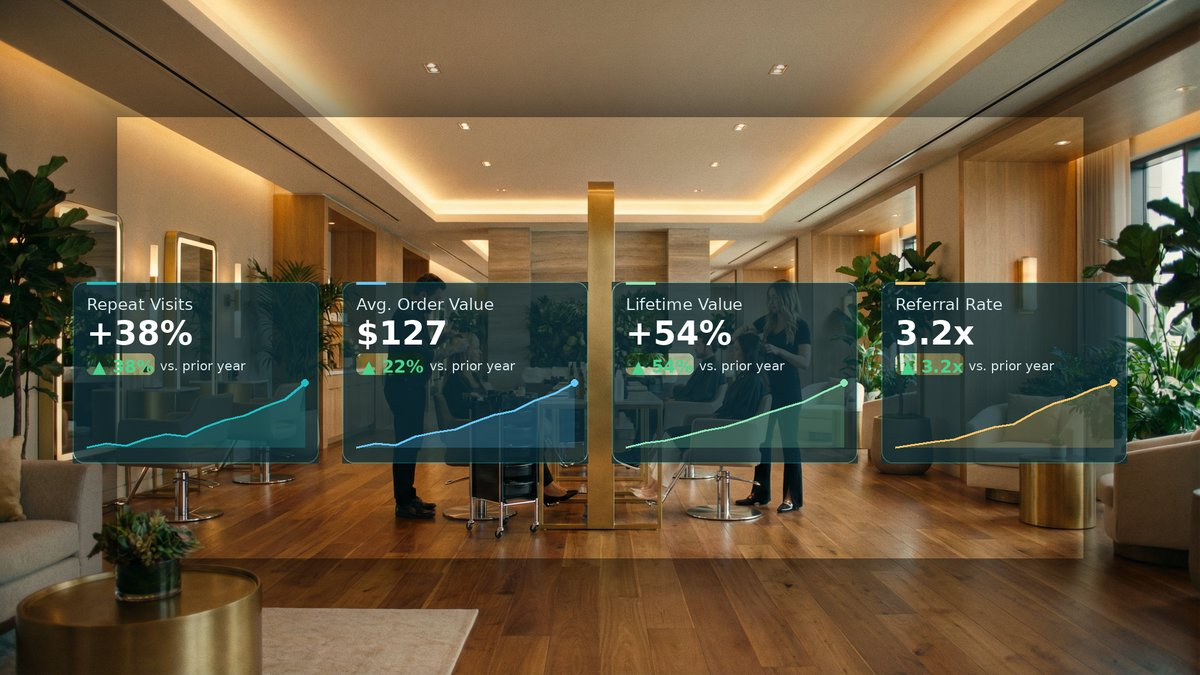
- Increase customer lifetime value
- Reinforce the brand, not just a single location
- Work the same way everywhere customers interact with the brand
When loyalty is designed correctly, it becomes a revenue lever, not a nice-to-have feature.
This distinction matters. Loyalty isn’t about points for points’ sake — it’s about creating reasons for customers to return, spend more, and stay connected to your brand over time.
Consistency Across Locations Is Non-Negotiable
One of the fastest ways to undermine loyalty is inconsistency.
Customers Don’t Think in Locations — They Think in Brands
Customers don’t differentiate between “Store #12” and “Store #27.” They see one brand.
When loyalty rules change from location to location, customers feel friction. Confusion leads to frustration, and frustration leads to disengagement.
Inconsistent loyalty experiences send a clear signal: the brand isn’t operating as one.
The Cost of Inconsistent Loyalty Experiences
When loyalty programs vary across locations:
- Customers stop participating
- Staff struggle to explain benefits
- Franchisees lose confidence in the program
- Engagement declines quietly over time
What’s most damaging is that these issues don’t always show up immediately in reports. They surface gradually, through declining retention and lower lifetime value.
Centralized Rules, Local Execution
Effective franchise loyalty programs strike a balance:
- Centralized rules ensure consistency
- Local execution allows locations to deliver great experiences
Headquarters defines how loyalty is earned, tracked, and redeemed. Locations execute within that framework, without needing to reinvent the program.
This structure protects the brand while empowering operators.
Visibility Turns Loyalty Into a Growth System
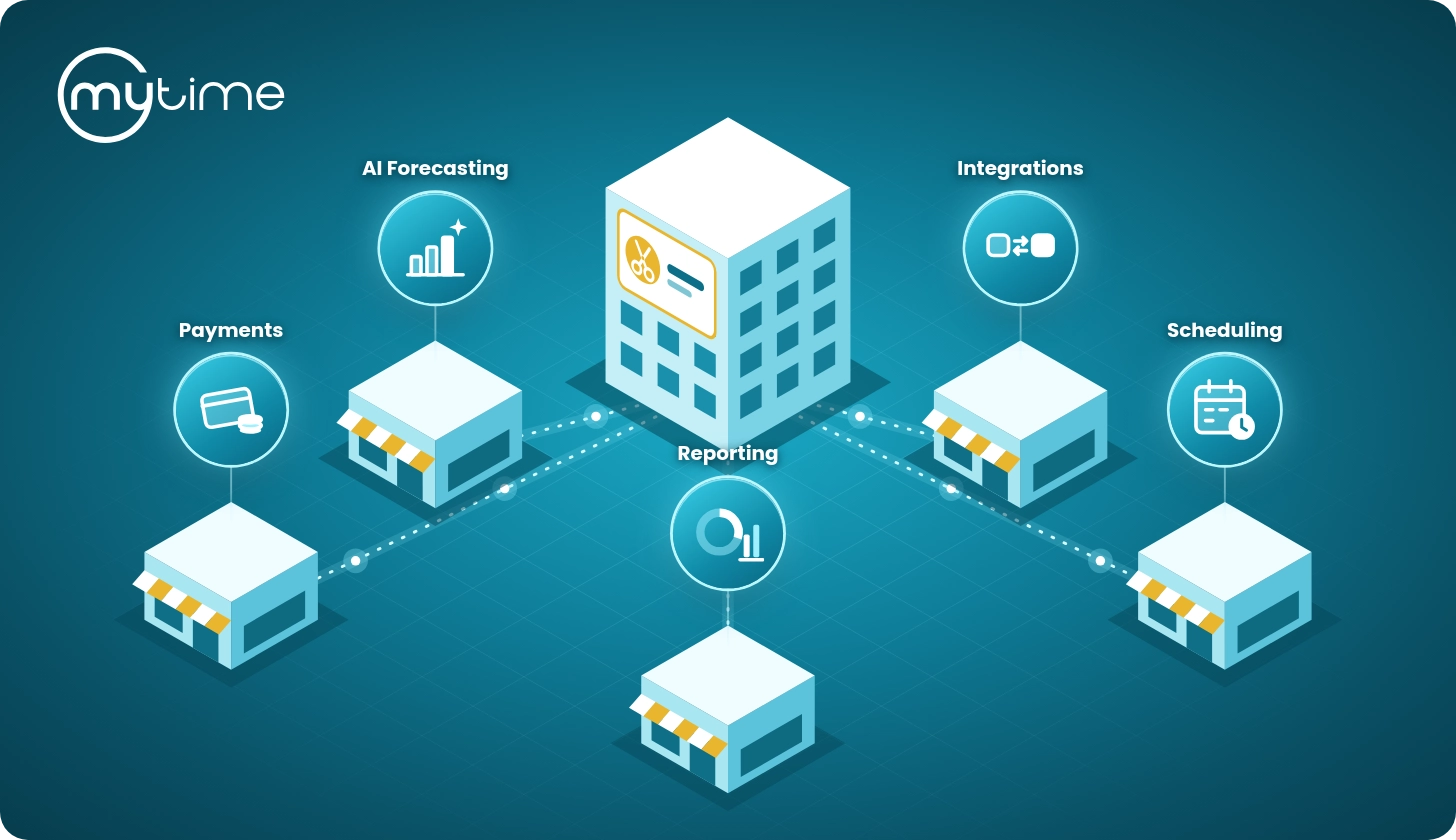
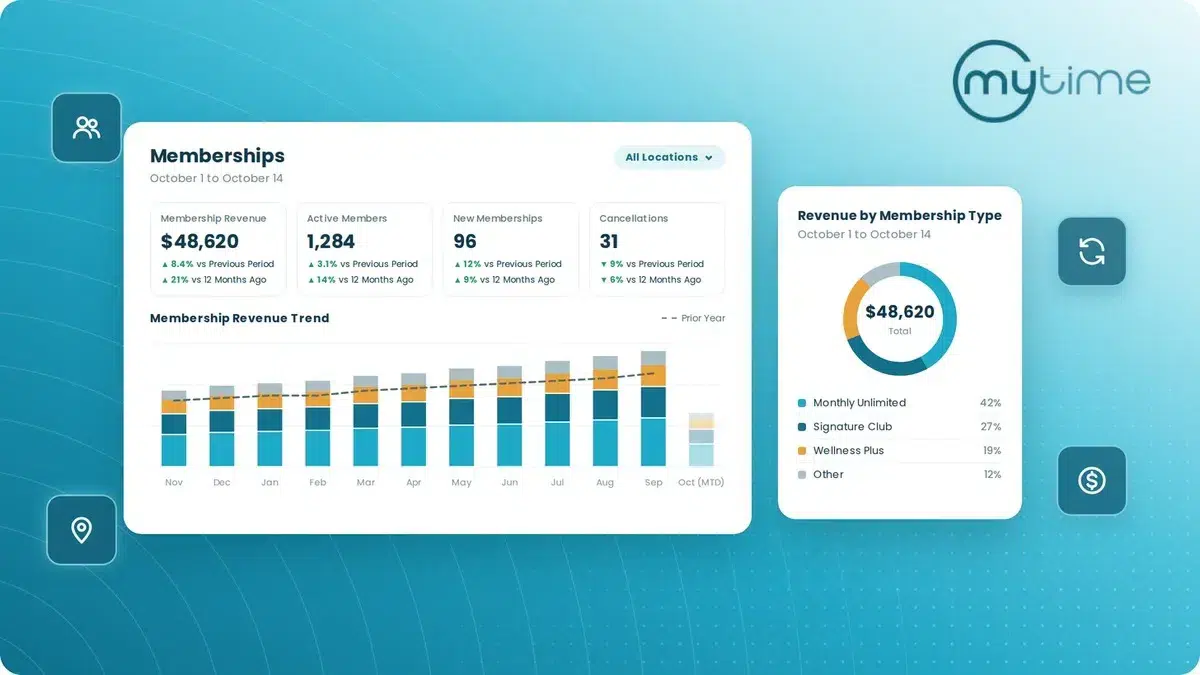
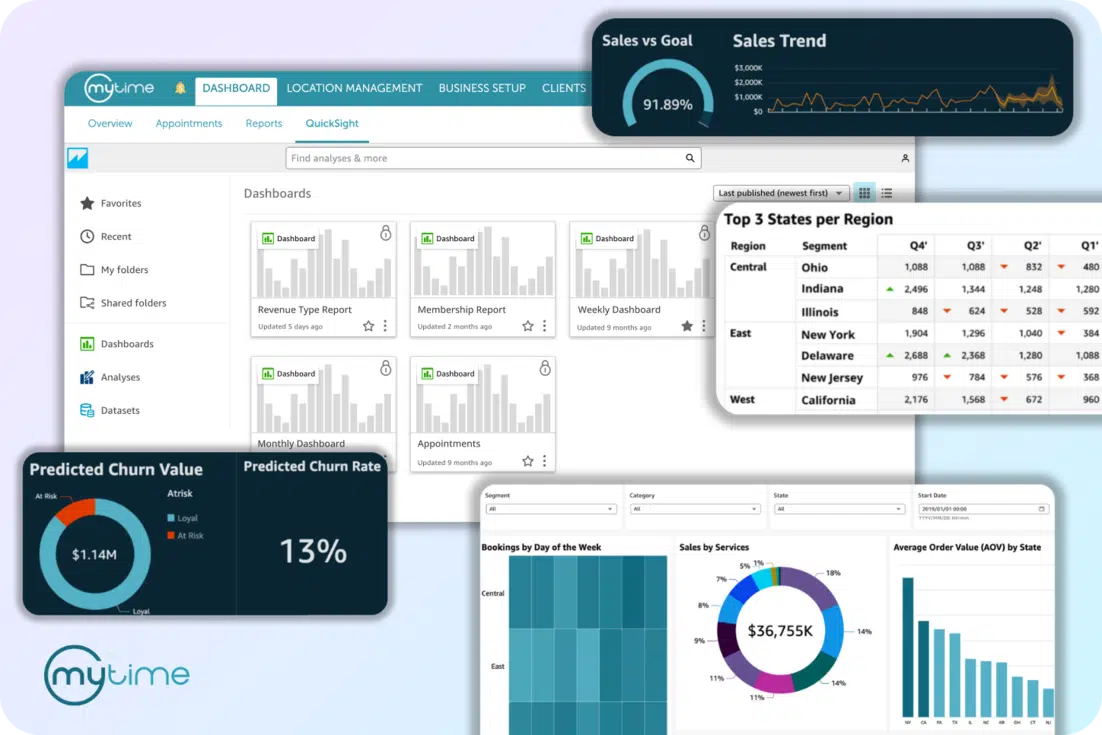
Loyalty becomes powerful when leadership can see what’s happening — across every location.
What Franchise Leaders Need to See
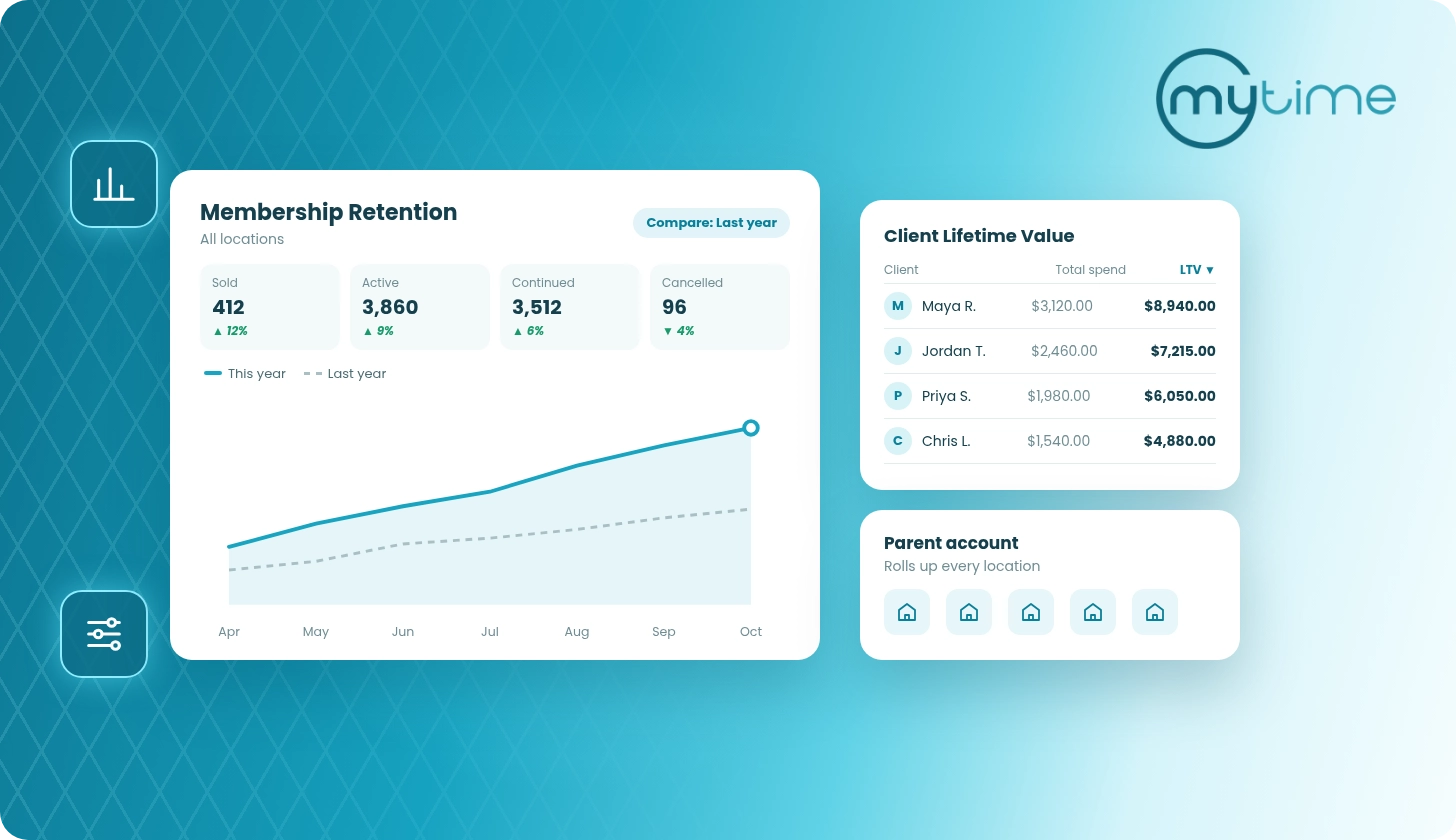
To manage loyalty effectively, leaders need insight into:
- Participation rates by location
- Repeat visit frequency
- Impact on average order value
- Redemption behavior
- Performance trends across regions or markets
This visibility allows loyalty to move from intuition to strategy.
Why Visibility Changes Behavior
When loyalty performance is visible:
- High-performing locations can be modeled
- Underperforming locations can be supported
- Programs can be refined based on real behavior
This is where modern systems quietly help. By surfacing engagement trends and identifying changes in behavior, technology enables teams to act before churn becomes revenue loss.
Loyalty stops being reactive and becomes proactive.
How Loyalty Should Work Across Core Franchise Verticals
While the principles of loyalty remain consistent, execution should reflect how customers engage in each vertical.
Salons, Spas, and Barbershops
- Rewards tied to visit frequency
- Recognition for long-term clients
- Incentives for add-on services rather than discounts
Wellness and IV/MedSpas
- Loyalty aligned with ongoing care
- Rewards that reinforce adherence and return visits
- Programs that support long-term outcomes
Pet Care Businesses
- Loyalty that spans grooming, boarding, and retail
- Recognition for multi-pet households
- Engagement beyond a single service type
Learning & Enrichment Brands
- Loyalty tied to continued enrollment
- Incentives for progression and participation
- Rewards that encourage long-term involvement
Across all verticals, the goal is the same: reinforce repeat behavior in a way that feels natural to the customer.
Read the ultimate guide to memberships, loyalty, and referrals for service-based franchises here.
Loyalty Programs That Actually Reduce Churn
Churn rarely happens all at once. It starts with subtle changes in behavior.
Effective loyalty programs reduce churn by:
- Increasing switching costs
- Reinforcing habits
- Making customers feel recognized and valued
When loyalty is treated as a system — not a campaign — retention improves naturally. Customers return because it makes sense to do so, not because they were pushed by a discount.
Read more about building predictable revenue with the ultimate trifecta -> Memberships, Loyalty, and Referrals
Common Questions Franchise Operators Ask About Loyalty
Do loyalty programs really reduce customer churn?
Yes — when they are designed to reward ongoing engagement, work across locations, and focus on long-term value rather than short-term discounts.
Can loyalty programs work across franchise locations?
They can and should. Centralized rules with cross-location earning and redemption are essential for consistent brand experiences.
How is loyalty different from promotions?
Promotions drive immediate transactions. Loyalty builds long-term relationships and increases lifetime value over time.
What metrics should franchise leaders track for loyalty?
Participation rate, repeat visit frequency, average order value, retention rate, and performance by location.
Does loyalty require complex technology or heavy management?
No. The most effective loyalty programs are embedded into existing booking and POS workflows and run with minimal manual effort.
Loyalty Is a Retention Strategy, Not a Marketing Tactic
Loyalty programs fail when they’re treated as perks. They succeed when they’re treated as systems.
For franchise and multi-location businesses, loyalty isn’t about points or punch cards. It’s about consistency, visibility, and reinforcing customer behavior at scale.
When loyalty works the way it should, customers stay longer, spend more, and engage more deeply with the brand.
And that’s how retention turns into predictable growth.