





Operational efficiency becomes harder the moment a business expands beyond a single location.
What works for one salon, spa, pet care business, barbershop, med spa, or wellness brand often breaks down when multiple locations, more staff, more services, more inventory, and more customer interactions are added to the mix. Teams start working in silos. Reporting becomes fragmented. Customer experiences vary by location. Corporate leaders lose visibility. Local teams spend too much time managing manual work.
That is where MyTime fits in.
MyTime helps multisite and franchise brands run more consistently across locations by bringing together booking, scheduling, point of sale, inventory, customer management, staff management, marketing, memberships, loyalty, referrals, reporting, and franchise-level controls in one connected platform.
This article explains what operational efficiency means for multisite and franchise businesses, why it becomes difficult to maintain at scale, and how MyTime helps brands create more consistency, control, and growth across every location.
What is operational efficiency in a multisite or franchise business?
Operational efficiency is the ability to run your business with less friction, less manual work, and more consistency while maintaining a strong customer experience.
For multisite and franchise businesses, operational efficiency means more than saving time. It means being able to:
- standardize how locations operate
- maintain brand consistency across every site
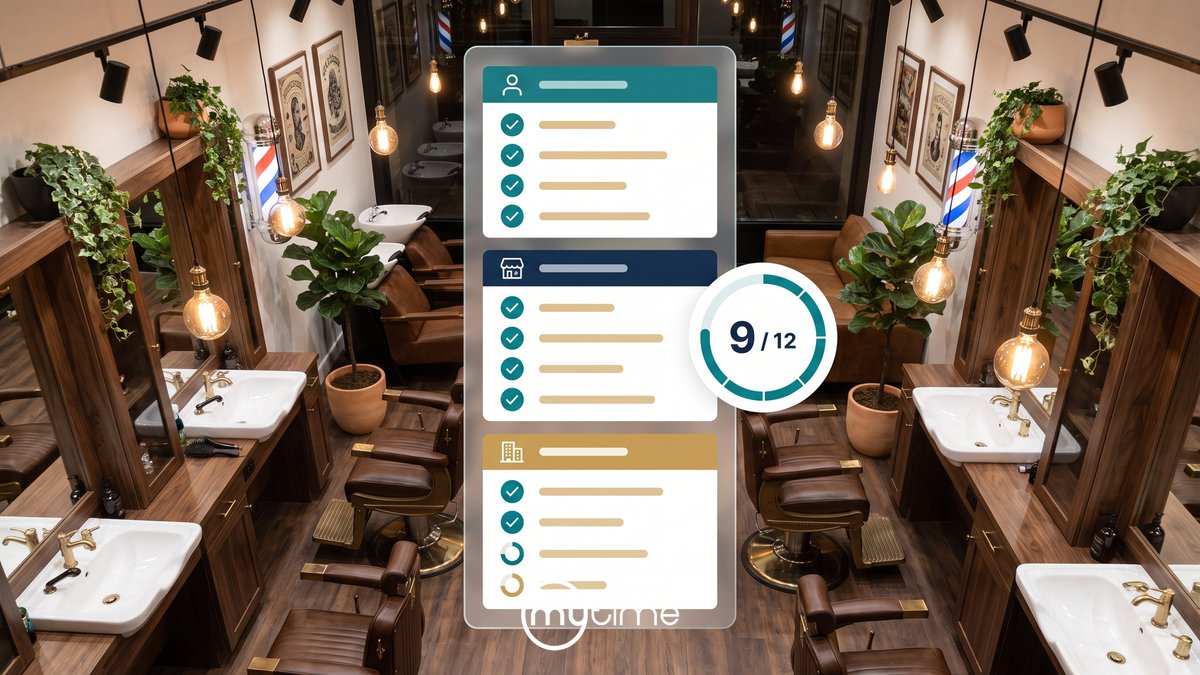
- give local teams the tools they need without losing corporate oversight
- manage bookings, staff, payments, inventory, and customer data in one system
- make decisions using real-time visibility across the business
In simple terms, operational efficiency means your business can grow without becoming harder to manage.
Why operational efficiency is harder for multisite and franchise brands
As brands expand, complexity grows fast.
Each new location adds more appointments, more staff schedules, more service variations, more product usage, more customer records, more reporting needs, and more opportunities for inconsistency. Many businesses try to manage that complexity by adding more tools, more spreadsheets, and more manual processes. That often creates more friction instead of less.
Common operational challenges for multisite and franchise brands include:
Inconsistent customer experiences across locations
Customers expect the same quality, convenience, and brand experience no matter which location they visit. That becomes difficult when locations operate differently, use different workflows, or do not have access to the same customer information.
Fragmented systems and disconnected data
When booking, POS, customer records, inventory, marketing, and reporting live in separate systems, teams waste time switching between tools and reconciling data. Leadership also struggles to see what is happening across the business in real time.
Scheduling and staffing complexity
Managing staff availability, service timing, room or resource constraints, and location-specific demand gets harder as the business grows. Manual scheduling creates inefficiencies, missed revenue opportunities, and more operational stress for teams.
Inventory and product control issues
For businesses selling products or consuming backbar inventory, it is difficult to maintain visibility across locations without a centralized inventory system. Stockouts, over-ordering, and inconsistent controls can hurt both margins and customer satisfaction.
Limited corporate visibility with too much local variation
Franchise and multisite businesses need to balance centralized standards with location-level flexibility. Without the right infrastructure, corporate teams often lack the control, reporting, and governance needed to scale confidently.
What does MyTime do for multisite and franchise operations?
MyTime is a platform built to help service-based multisite and franchise brands run the full operation in one connected system.
Instead of relying on separate tools for booking, POS, customer engagement, staff management, and reporting, MyTime brings these functions together so teams can work from one source of truth.
At a high level, MyTime helps brands:
- centralize operations across locations
- standardize key workflows while allowing local flexibility
- improve customer convenience and consistency
- reduce manual work for staff and managers
- increase visibility for corporate and franchise leadership
- create a stronger foundation for growth
Read more here on how to automate tasks and save time.
How MyTime improves operational efficiency
1. You centralize bookings and scheduling across the business
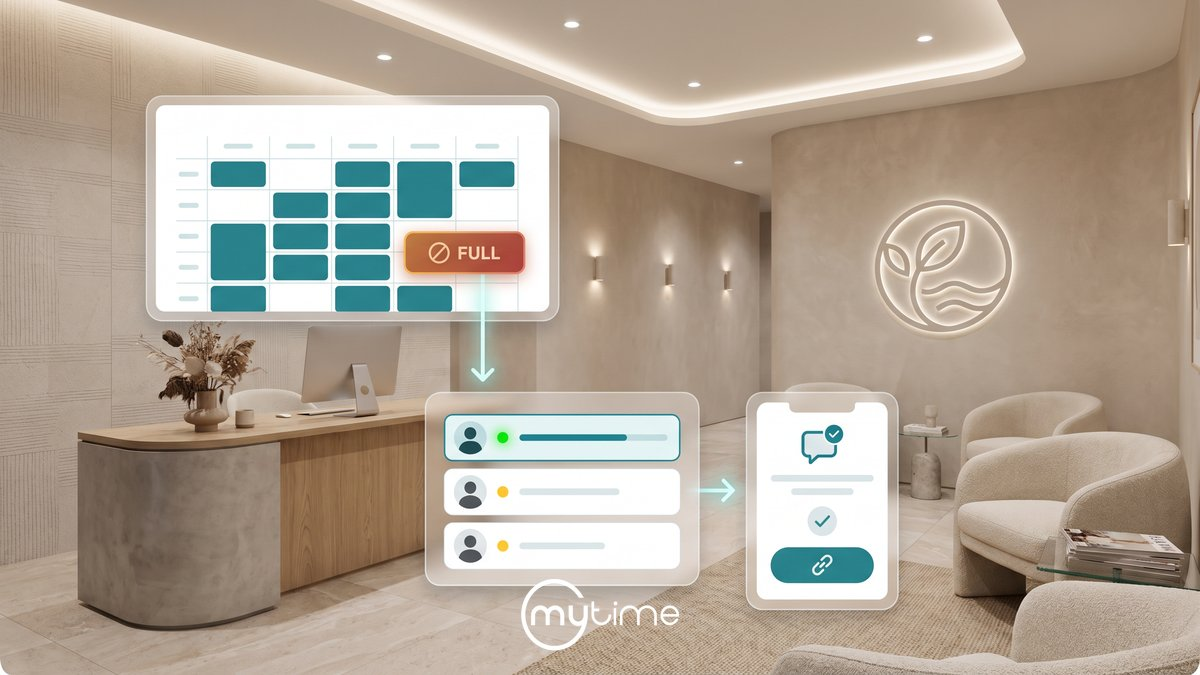
Booking and scheduling are core operational functions for service-based businesses. When they are disconnected or difficult to manage, the impact spreads everywhere: staff utilization, customer satisfaction, front desk workload, and revenue.
MyTime helps businesses manage bookings through a connected scheduling system designed for appointment-based operations. This supports a more consistent experience for both customers and staff.
Why this matters
A centralized approach to booking and scheduling helps reduce friction, improve accuracy, and support smoother day-to-day operations across locations.
Relevant MyTime capabilities
- online booking
- in-store appointment scheduling
- staff scheduling
- service and resource coordination
- omnichannel booking support
2. You connect point of sale to the rest of the operation
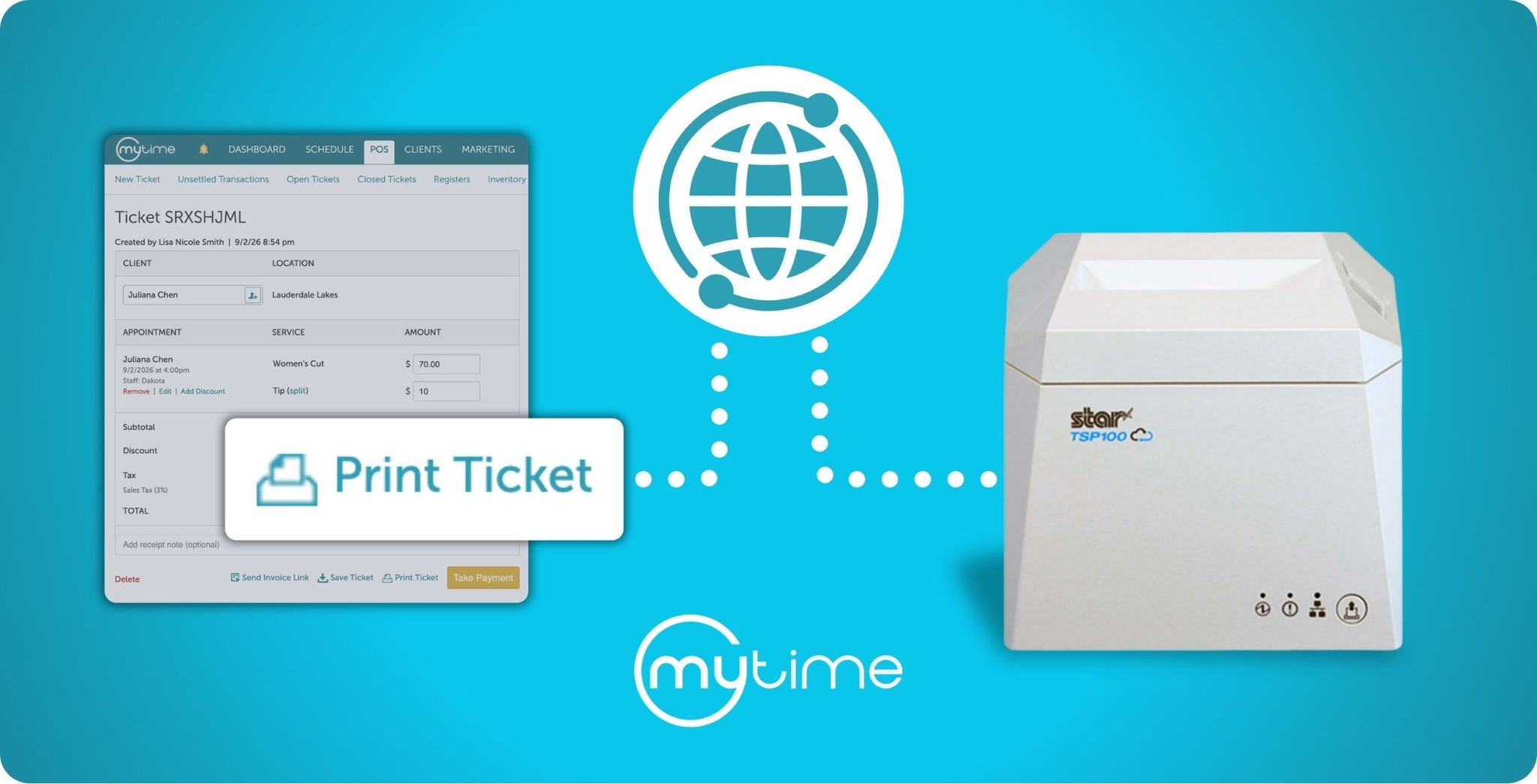
For multisite businesses, POS should not operate as a disconnected checkout tool. It should be connected to appointments, customer profiles, memberships, packages, inventory, and reporting.
MyTime’s point of sale functionality is part of the broader operating system, which helps reduce disconnected workflows and gives teams a more complete view of the customer and transaction history.
Why this matters
When POS is tied to scheduling and customer data, teams can serve customers more effectively, reduce reconciliation headaches, and improve visibility into business performance.
Relevant MyTime capabilities
- integrated point of sale
- transaction tracking
- support for memberships, packages, and service transactions
- connection to customer records and reporting
3. You manage inventory with more control across locations
Inventory becomes much harder to manage in a multisite environment, especially when each location has different demand patterns, different stock levels, or different workflows for retail and backbar products.
MyTime helps businesses manage inventory across locations with more structure and visibility.
Why this matters
Inventory accuracy affects both the customer experience and profitability. Better visibility helps teams avoid stock issues, reduce manual counting pain, and make more informed decisions.
Relevant MyTime capabilities
- inventory management
- location-aware stock control
- product visibility across locations
- integration between inventory activity and transactions
4. You maintain a more complete view of the customer
Customer experience breaks down when teams cannot see history, preferences, notes, or activity across locations. That leads to disconnected service and missed opportunities to build loyalty.
MyTime helps businesses maintain customer records that support better service and more informed engagement.
Why this matters
When staff can understand the customer context more clearly, they can deliver a more personalized and consistent experience across every location.
Relevant MyTime capabilities
- client management
- customer history and records
- data to support personalized service
- targeted outreach and campaigns
5. You improve staff coordination and day-to-day execution
In multisite operations, efficiency depends heavily on how well teams manage staff availability, schedules, assignments, and service flow.
MyTime helps reduce some of that complexity by giving businesses tools to manage staff operations in a more organized way.
Why this matters
Better staff coordination supports stronger service delivery, smoother operations, and better use of labor across the business.
Relevant MyTime capabilities
- staff management
- scheduling tools
- assignment visibility
- support for operational planning
6. You make customer communication and marketing more actionable
Operational efficiency is not only about internal workflows. It also includes how well you engage customers before, during, and after the visit.
MyTime includes tools for customer communication, promotions, and targeted marketing so brands can connect operational data with customer engagement.
Why this matters
When marketing and operations are connected, brands can drive repeat visits, improve retention, and create more relevant customer outreach.
Relevant MyTime capabilities
- marketing tools
- targeted campaigns
- client referrals
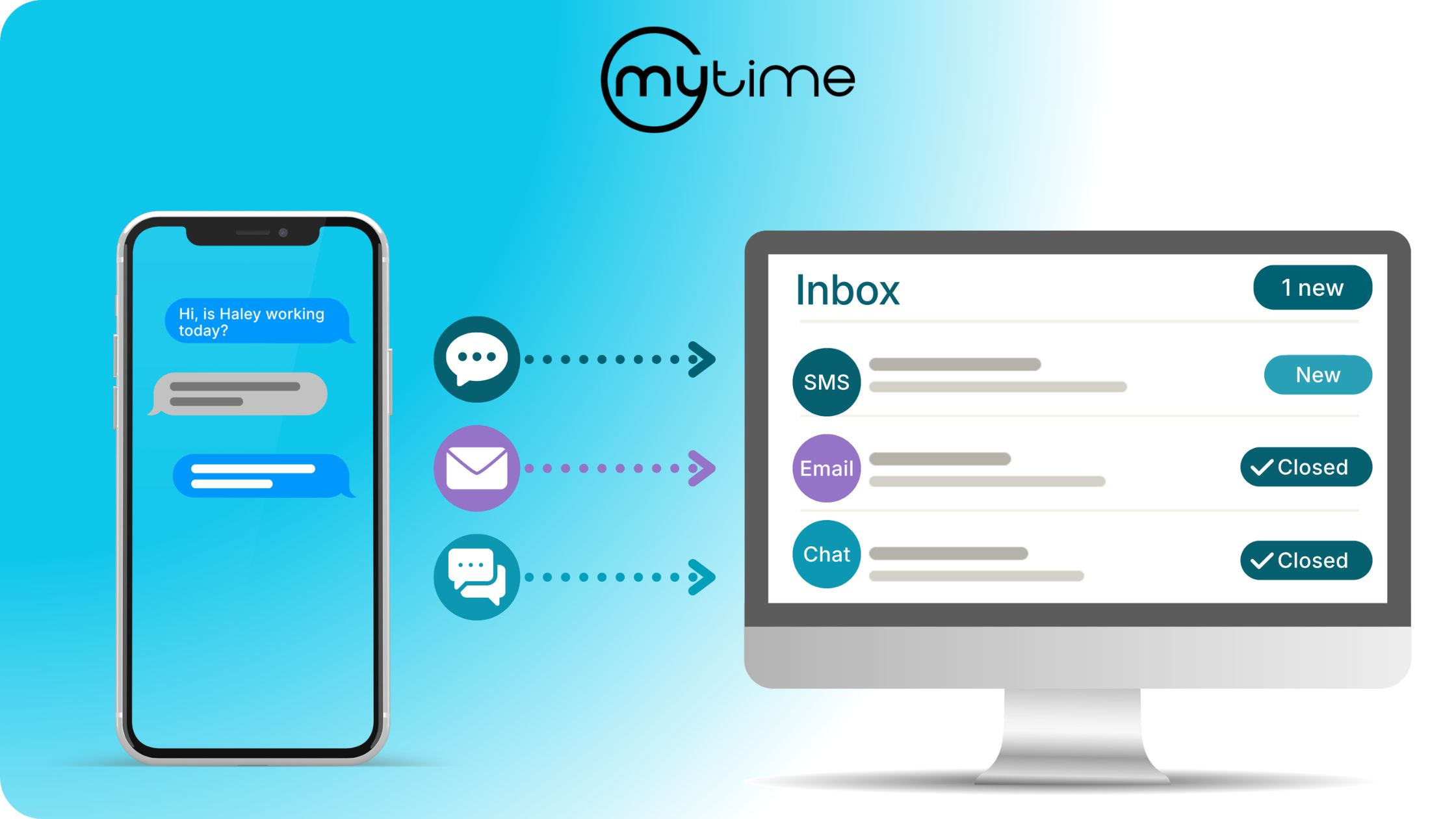
- communication tools including chat
- engagement tied to customer data
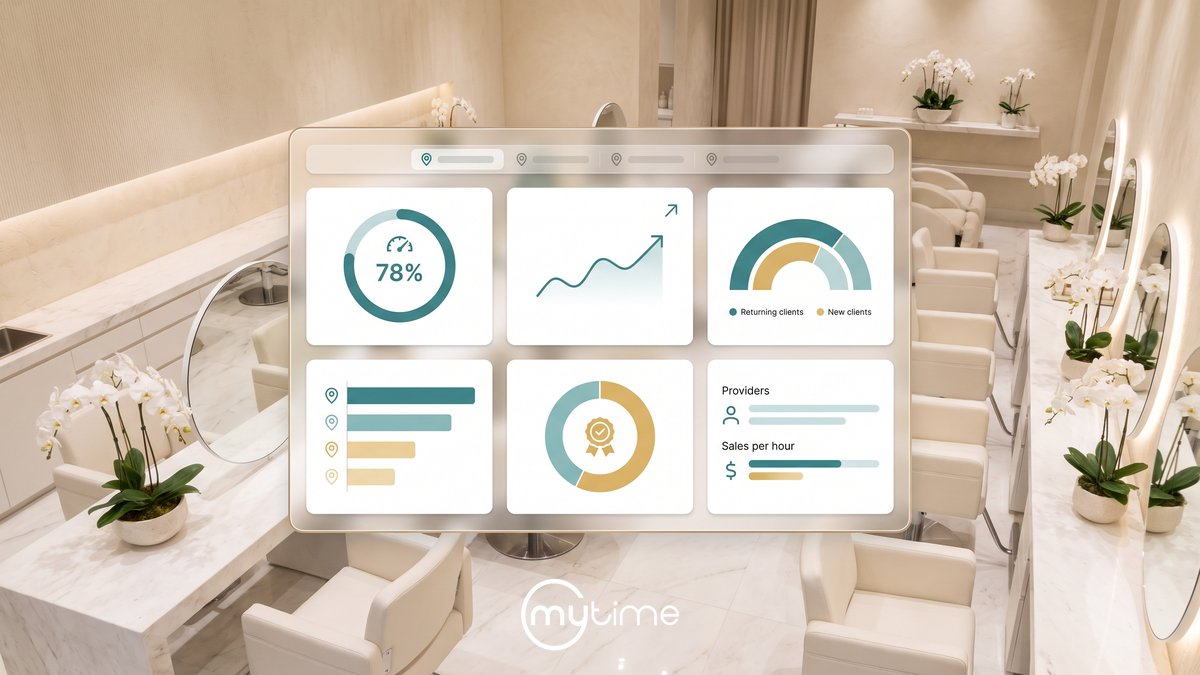
7. You gain better visibility through reporting and analytics
Leaders cannot improve what they cannot see.
For multisite and franchise brands, reporting needs to do more than show isolated location activity. It needs to help operators and leadership understand performance trends, compare locations, and identify where action is needed.
MyTime includes reporting and analytics capabilities that help businesses make more informed operational decisions.
Why this matters
Better reporting helps leadership spot performance issues earlier, monitor consistency, and support smarter planning across the organization.
Relevant MyTime capabilities
- reports and analytics
- operational visibility
- performance tracking
- support for strategic decision-making
8. You support brand growth without rebuilding your systems
One of the biggest operational risks in growing a multisite or franchise business is outgrowing your systems. A platform may work for a small operation but become restrictive as more locations, users, and complexity are added.
MyTime is designed to support businesses as they grow. The platform is also designed to be highly customized around your business, which is critical as the brand grows, to have software that can support your unique service offerings and processes. Read more on that here.
Why this matters
Scalable infrastructure reduces the need for workarounds, supports stronger governance, and helps businesses expand with less operational disruption.
Relevant MyTime capabilities
- enterprise-ready features
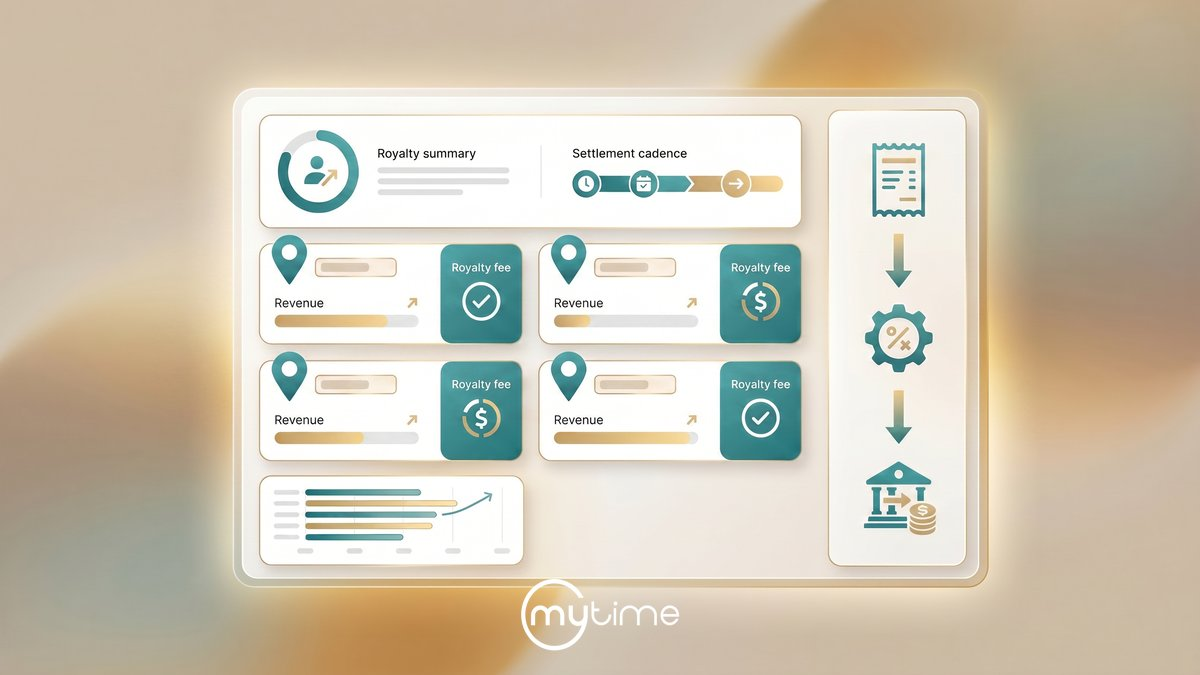
- franchise management support
- centralized oversight
- tools built for multisite business models
What operational efficiency looks like with MyTime
Operational efficiency is not one feature. It is the result of connected systems working together.
With MyTime, operational efficiency can look like:
- customers booking more easily
- front desk teams spending less time on manual coordination
- staff schedules being easier to manage
- transactions and customer data staying connected
- inventory being easier to track across locations
- campaigns becoming more targeted
- leadership gaining clearer visibility into performance
- franchise and multisite operators maintaining stronger control as the business grows
That is the real advantage of connected operations. Each part of the business supports the others.
Why a connected platform matters more than isolated tools
Many operational issues do not come from a lack of tools. They come from too many disconnected tools.
A booking platform alone does not solve staffing inefficiency. A POS alone does not solve fragmented customer records. A reporting layer alone does not fix inconsistent workflows. Multisite and franchise brands need connected infrastructure that supports the full operation.
MyTime helps bring those pieces together so the business can operate with more consistency, visibility, and coordination.
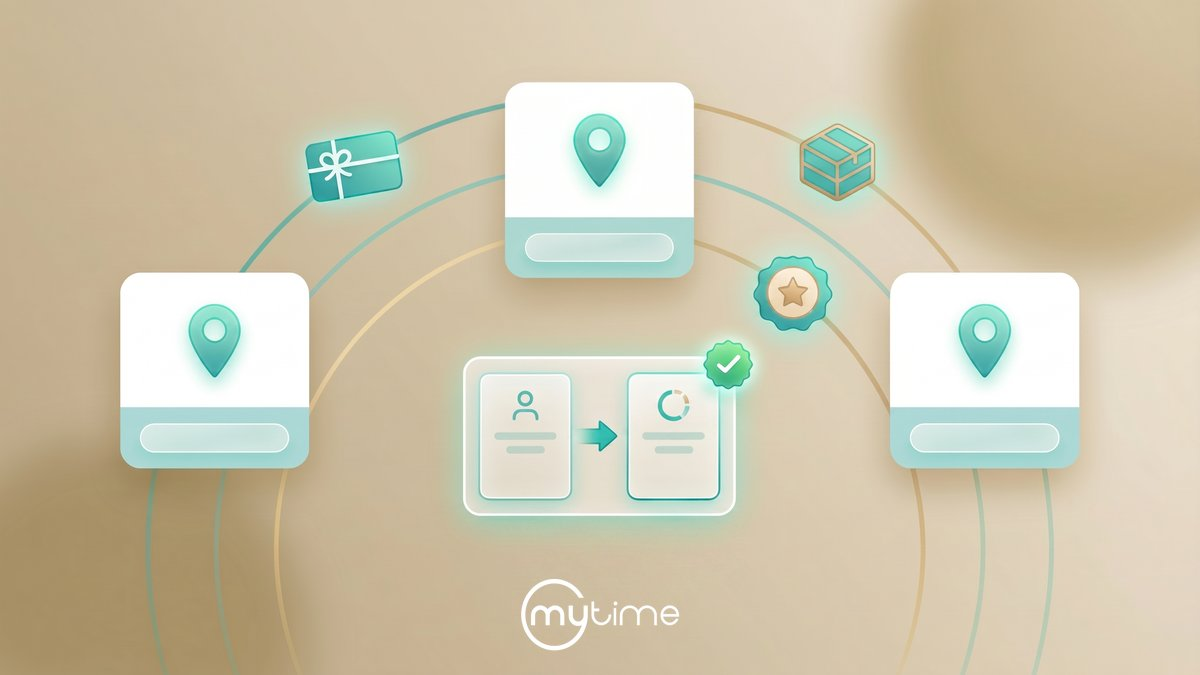
Dive into the power of connected global client profiles here.
Conclusion: operational efficiency is a growth requirement, not just an operations goal
For multisite and franchise service businesses, operational efficiency is not just about working faster. It is about creating the structure needed to scale well.
As complexity increases, the businesses that win are the ones that can standardize operations, maintain visibility, support local teams, and deliver a consistent customer experience across every location.
MyTime helps brands do exactly that by connecting the operational workflows that matter most: booking, scheduling, POS, inventory, customer management, staff management, marketing, reporting, and franchise oversight.
If your business is growing and your systems are making operations harder instead of easier, it may be time to rethink the infrastructure behind your brand.
FAQ
What is operational efficiency in a franchise business?
Operational efficiency in a franchise business means running locations with consistent processes, better visibility, less manual work, and stronger coordination across the organization. It helps franchise brands scale without losing control or consistency.
Why is operational efficiency important for multisite businesses?
Operational efficiency is important for multisite businesses because complexity increases with every new location. Without connected systems and standardized workflows, it becomes harder to manage staff, bookings, inventory, customer experiences, and reporting.
How can software improve operational efficiency for franchise brands?
Software can improve operational efficiency by connecting key parts of the business in one platform. This can reduce manual tasks, improve visibility, support more consistent operations, and help leadership make better decisions across locations.
What does MyTime help franchise and multisite businesses manage?
MyTime helps franchise and multisite businesses manage bookings, appointment scheduling, point of sale, inventory, client records, staff management, marketing, referrals, reporting, online listings, reputation management, and franchise-level operational oversight.
Why do disconnected systems hurt multisite operations?
Disconnected systems make multisite operations harder because teams have to switch between tools, reconcile information manually, and work without a clear shared view of the customer or the business. This often slows teams down and makes consistency harder to maintain.
Is MyTime built for businesses with multiple locations?
Yes. MyTime includes features designed to support multisite and franchise businesses that need centralized oversight, operational consistency, and the flexibility to manage multiple locations more effectively.